IT for Montana dental practices. Backups that restore & stay protected.
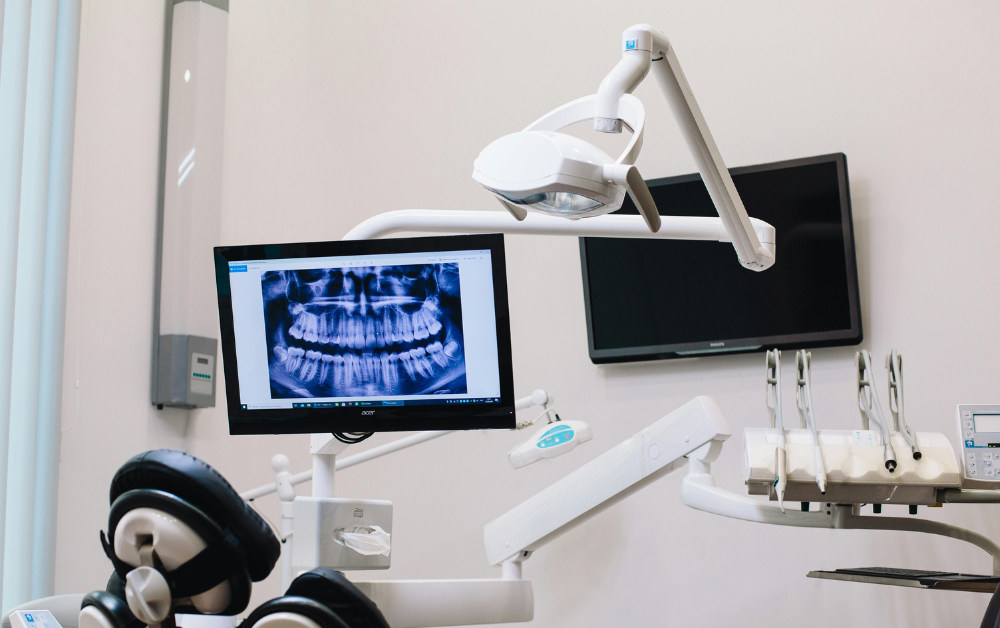
Open Dental, imaging bridges, the server under the front desk: a backup job that says success isn’t proof it will open. Our support is run by GIAC certified forensic analysts, so we test the restore before you need it and know how ransomware targets practices.
The first assessment is free, and the findings are yours either way.
Vetted, tested, and in writing.
Every certified practice is assessed by a third party risk assessor and keeps the required controls in place, and we test restores on a schedule. The Big Sky Guarantee and Service Warranty put that standard in writing.
Containment, forensics, eradication, recovery, and rebuilding if needed, at no additional cost, within defined service limits.
The Big Sky Guarantee is not an insurance policy. It’s our commitment to do the response work ourselves.
Eligible payments made directly to the organization, up to $500,000 per covered incident, depending on plan.
The Big Sky Service Warranty is not an insurance policy and does not replace cyber insurance.
For certified clients on Professional, Enterprise, or co-managed plans, with required controls in place. Eligibility requirements, service limits, and exclusions apply. Full terms are provided for your review before you sign. See which plans qualify
A backup that has never been restored is not a backup.
Whatever runs your practice, the risk is the same. Open Dental, for example, sits on a MySQL database: copy those files while it’s running and you get a backup that says success and won’t restore. So the question isn’t whether you have a backup. It’s these four.
Copied while running?
Is the database exported properly, or copied while it’s running and quietly unreadable?
Images left out?
Scanned forms and radiographs often live in a separate folder the backup never touches.
Vendor storage missed?
Bridged imaging keeps its own database somewhere a server backup doesn’t reach.
Never tested with a restore?
Has anyone restored it and opened a test chart, or just read the success email?
And is a copy somewhere ransomware can’t reach? Offline or immutable, not a mapped drive on the same network. If the honest answer to any of these is “not sure”, you’ll find out the morning it matters, with a full waiting room.
Three more things we find on dental servers
Beyond the backup, these often turn up when we assess a dental network.
The server under the desk
No redundant drive and no real battery backup. It’s been fine for six years, which is why nobody has looked at it.
The vendor’s open door
Remote access and firewall rules opened during an imaging install, then never closed. Not malicious, just never finished.
One shared hygiene login
Shared, saved, and never changed, so the audit log can’t show who did anything. A HIPAA problem before it’s a security one.
“Great company to work with. Any issues we have had they have addressed quickly.”
Find out whether your backup restores before a Monday morning does.
The assessment is free. About 20 minutes at your practice, at a time you pick, and the findings are yours either way.
What dental IT costs a practice your size
$75 to $95 per device, per month, published so you can check it before you call. Here’s what that looks like for three typical practices.
Solo practice
One doctor, two operatories, one front desk machine, and the server.
Four operatory practice
Two doctors, front desk, an imaging workstation, and the sterilization computer.
Two locations
A shared server, staff moving between sites, and imaging at both.
Ranges run Essentials ($75) to Professional ($95) per device, per month, plus a per user charge. Not included: your imaging vendor’s support contract, Open Dental licensing, or hardware replacement. We’ll price those before you sign, not after.

Already have IT? Here’s how switching works.
Usually it isn’t a contract problem. The person who does your IT set up the office, or has been there since you bought the practice. Nobody wants that conversation, so here’s what it looks like.
Document first
- —Licenses, credentials, warranty status, backups, and patch levels
- —What your current provider has and hasn’t been doing
- —That document is yours either way
Run alongside
- —Monitoring goes on
- —Nothing is cut over, nothing breaks
- —You are never between providers
Cutover
- —Scheduled around your schedule, not ours
- —Never during clinic hours
First quarter
- —Backup restored and a test chart opened from it
- —Imaging vendor access documented and logged
- —Security Risk Analysis written and dated, yours to keep
We verify you have access to and own all of this before migration.
Registered to your practice, not your provider’s lease.
You hold the admin login, not just a user seat.
Stored somewhere you can log in to and restore from.
Registered to an email address you can open.
If your current provider drags their feet on the handoff, we rebuild access independently. It takes longer, and we’ll tell you on the first call which kind of handoff to expect.
Times you should call someone else
We’d rather tell you now than six months in. We’re probably not the right call if:
You want the cheapest number
We aren’t it. Our price includes the monitoring, restore testing, and onsite response many quotes leave out.
You need someone onsite daily
We serve Great Falls, Helena, and Billings, with same day onsite for contract clients. If a desk needs filling every morning, hire one.
Admin rights have to stay open
If the front desk must stay wide open, we’ll be an irritating vendor and you’ll pay us to be ignored.

Around your patients, not in the way of them.
What working inside a dental office looks like, written as what we do.
So we secure your systems the way attackers probe them.


Frequently asked questions
What practices ask before the first conversation. If something isn’t here, the phone is answered in Montana.
Do we actually have to do a Security Risk Analysis?
Yes. The HIPAA Security Rule requires a risk analysis, and it’s an ongoing obligation, not a one time filing. It’s also the first thing requested after an incident, and increasingly a condition of cyber insurance renewal. See HIPAA services.
We’re a four operatory practice in a small town. Why would anyone target us?
Nobody picked your practice. Attackers scan for exposed remote access, often the same remote session your imaging vendor uses, and reuse passwords from old breach dumps. Patient records, insurance details, and payment data are worth the same to them in Great Falls or Denver.
Will you work with Open Dental support?
Yes, and we deal with them so your office manager doesn’t have to. We handle the server, network, workstation, and backup side; they handle the application.
We don’t use Open Dental or Curve Dental. Can you still help?
Yes. Open Dental is the most common system we see, but the approach is the same for any practice management or imaging software: back it up properly, test the restore, and keep a copy ransomware can’t reach.
If our practice data is encrypted by ransomware, what do you do?
Call us. Contract clients get same day onsite, and we restore practice management and imaging in a defined order so you can see patients again, with evidence preserved for your insurance claim. Incident work carries no emergency surcharge, and for certified clients the response comes under The Big Sky Guarantee, within defined service limits.
The person who set up our computers still helps us. Can they stay involved?
Yes. Co-managed arrangements are common in dental. They keep doing the hands on operatory and hardware work, and we take the security, backup, and HIPAA layer, so they have a specialist to call.
Are we locked in?
One year, matched to hardware warranty and cyber insurance cycles. No escalator, no three year term.
Proud to sponsor and exhibit at MDA events.
Met us at the booth? Say so on the form below, and we’ll pick up where we left off without repeating the conversation.
You’ll know whether your backup restores.
Twenty minutes, a straight answer, and nothing to sign.